
Why does weight drift up as we get older?
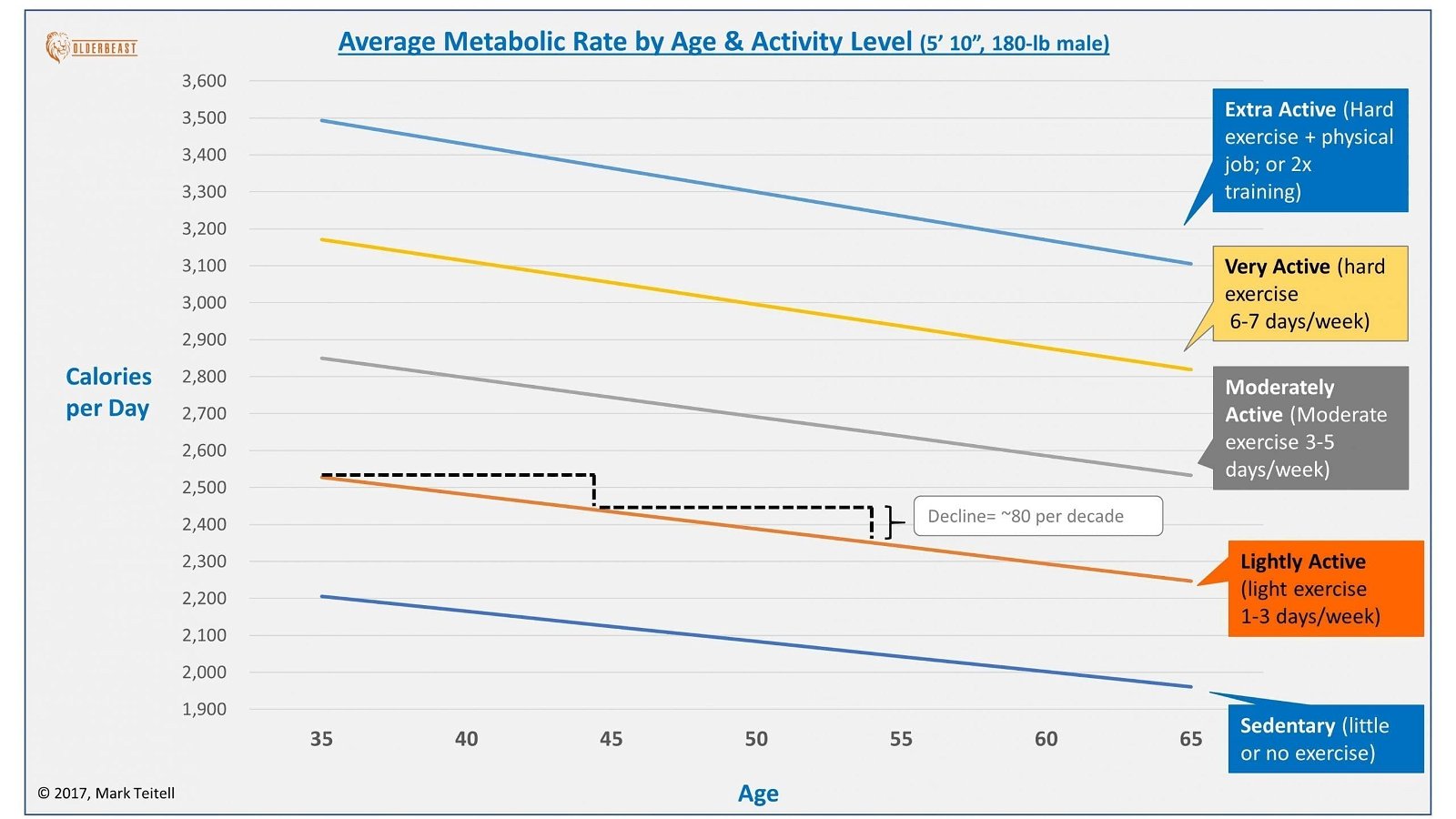
If it seems like it’s getting harder and harder to lose weight as you get older, you’re not imagining things. “As you age, your metabolism starts to slow down, and a lot of your metabolism functions and organs and absorption—everything just gets a little less efficient,” says Katherine L Tucker, Ph.D., professor of nutritional epidemiology and director of the Center for Population Health at the University of Massachusetts-Lowell.
You now need fewer calories than ever just to maintain your body mass, let alone reduce it.
New German Study shows Testosterone lowers weight
Testosterone injections can trigger drastic long-term weight loss in obese men, a German study has just found.
Men with an average weight of 18 stone (114kg) saw their weight drop by 4st and 3lbs (27kg) over a decade while having the jabs every three months as part of a study.
Their body mass index (BMI) went from the ‘severely obese’ category, of 36.8, to ‘overweight’, at 28.8, just four points off the healthy weight range.
The researchers said their findings should help push testosterone injections as an alternative to weight loss surgery.
Testosterone replacement therapy (TRT) is prescribed to men with abnormally low testosterone which can impact their energy levels, mood and sex drive.
What is TRT?
- Testosterone replacement therapy (TRT) may be prescribed if a man is diagnosed with an abnormally low testosterone
- Testosterone levels decline naturally in men as they age, but certain conditions can lead to an abnormally low level.
- TRT is traditionally used to treat hypogonadism, which occurs when your testes don’t produce enough testosterone.
- LOW Testosterone symptoms include erectile dysfunction, depression and loss of hair
- When taking TRT, men notice a difference in their energy, sex drive, and muscle mass
Testosterone is the primary male sex hormone.
One of its main functions is to increase the growth of muscle mass, and it forces the body to burn fat in the process, helping people to lose weight.
Therefore men with a deficit of the hormone may gain weight more easily because the balance between muscle gain and fat loss is disrupted.
In a vicious cycle, being obese actually reduces levels of testosterone, meaning men who are already fat are likely to get bigger as their hormones change.
On the flip side, losing weight increases testosterone levels, which may then make it easier to lose more weight in future.
One study by The University of Manchester found that on average, obese men have 30 per cent lower testosterone levels than men of normal weight.
Testosterone, which also gives the male characteristics of deep voice and hair growth, naturally declines as a man ages.
The men in this study all had low testosterone without a known ‘organic cause’, such as a deficit in their body’s ability to produce the hormone, either from the brain or the testes.
The researchers collected data from the 773 German men, around 60 years old, who were on the 2004 register of a urological practice based in Bremerhaven
Some 471 men, almost two-thirds (61 per cent), had obesity, and of those, 276 received testosterone therapy (TRT).
They were given a 1000mg injection every three months for up to 11 years for their condition.
The other 195 men opted against the therapy.
Researchers analysed how their measurements changed over time, including weight, waist circumference, blood pressure and more.
The study showed:
- The men on TRT saw their weight drop by an average of 27kg (4st 3lbs) after adjusting for other cofounders, from 18st (114kg) to 13.7st (87kg).
- They lost some 13cm around their waist and their body mass index (BMI) fell by 7.6 points, from 36.8 to 28.8 – putting them from ‘severely obese’ to ‘overweight’
- The men not on TRT had more fat on their organs than those who had testosterone jabs. Called visceral fat, too much of it can lead to more health problems.
- Some 63 men in the non-TRT group died compared to 21 in the TRT group, the most common causes being heart attack and stroke – of which obesity is a risk factor for both.
- All the deaths in the TRT group were related to traffic and sports accidents and post-surgical infections.
- Astonishingly, almost every patient in the control group had type 2 diabetes by the end of the follow-up period.
- At the start, 63.6 per cent had the condition, which is often caused by obesity and is therefore rising in prevalence globally.
- As time wore on, a further 22.1 per cent of the men developed the condition – taking the total to 85.7 per cent.
- By comparison, 56.6 per cent of those taking TRT had diabetes at the start of the study, and no more developed it over the decade.
A startling finding which indicates getting on Testosterone treatment can reduce weight and save lives.
Is there any other way of losing weight that actually works?
Yes? An FDA approved drug called Liraglutide, can suppress the appetite and cause weight loss of up to 4 kg a month.
- The drug is a self-administered daily injection by pen which suppresses appetite. The treatment is quite expensive but has been very effective at helping patients where other options have failed.
- CoolSculpting (cryolipolysis) is another way to remove fat by freezing. This FDA approved method is completely safe and can remove up to 30% of fat cells at one treatment. The treatment works best for patients who are not more than 10-15 kgs overweight but can be used in conjunction with other treatments such as weight loss injections and TRT. See more about this treatment here.
- HE Clinic is now offering 1000mg 3-month testosterone shots to patients who are finding it difficult to lose weight.
A free consultation is recommended before commencing treatment.
A full blood panel is also recommended to include blood sugar, HbA1c, testosterone, CBC, LH, PSA, estrogen, LFT, Cr.
Treatments can be combined so TRT can be combined with weight loss injection and cryolipolysis
Saxenda Pen (Liragrutide)
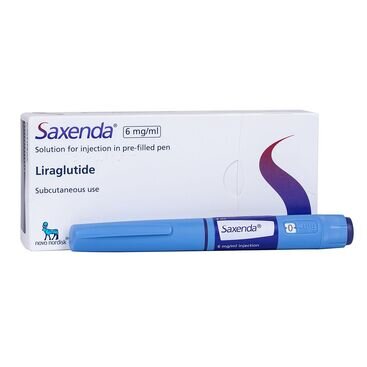
Saxenda is a brand name for the medication liraglutide, and it comes in the form of a pre-filled injectable pen. Saxenda is an FDA-approved prescription medication for chronic weight management in adults who have obesity (BMI of 30 kg/m² or greater) or who are overweight (BMI of 27 kg/m² or greater) and have at least one weight-related condition, such as high blood pressure, type 2 diabetes, or high cholesterol.
Mechanism of Action:
Saxenda is a glucagon-like peptide-1 (GLP-1) receptor agonist. It works by mimicking the effects of GLP-1, a natural hormone that regulates appetite and food intake.
Weight Management:
Saxenda is used alongside a reduced-calorie diet and increased physical activity for chronic weight management.
Administration:
It comes in a pre-filled pen, and users self-administer the injection once a day, usually in the abdomen, thigh, or upper arm.
Gradual Dosing:
The medication is initiated at a low dose and gradually increased to minimise the risk of gastrointestinal side effects.
Appropriate Candidates:
Saxenda is generally prescribed for individuals with a BMI that classifies them as obese or overweight with obesity-related conditions.
Weight Loss Expectations:
It is important to note that individual responses to Saxenda can vary. Some people may experience significant weight loss, while others may not respond as robustly.
Side Effects:
Common side effects may include nausea, vomiting, diarrhea, constipation, and abdominal pain. These side effects often diminish over time.
Medical Supervision:
Saxenda is available only by prescription, and its use should be supervised by a healthcare professional.
Monitoring:
Regular monitoring of weight and overall health is important during Saxenda treatment.
It’s crucial to consult with a healthcare professional for personalised advice, as the use of Saxenda involves medical assessment, monitoring, and adherence to lifestyle changes for effective weight management. This information is based on my knowledge as of January 2022, and there may have been developments or updates since then.